
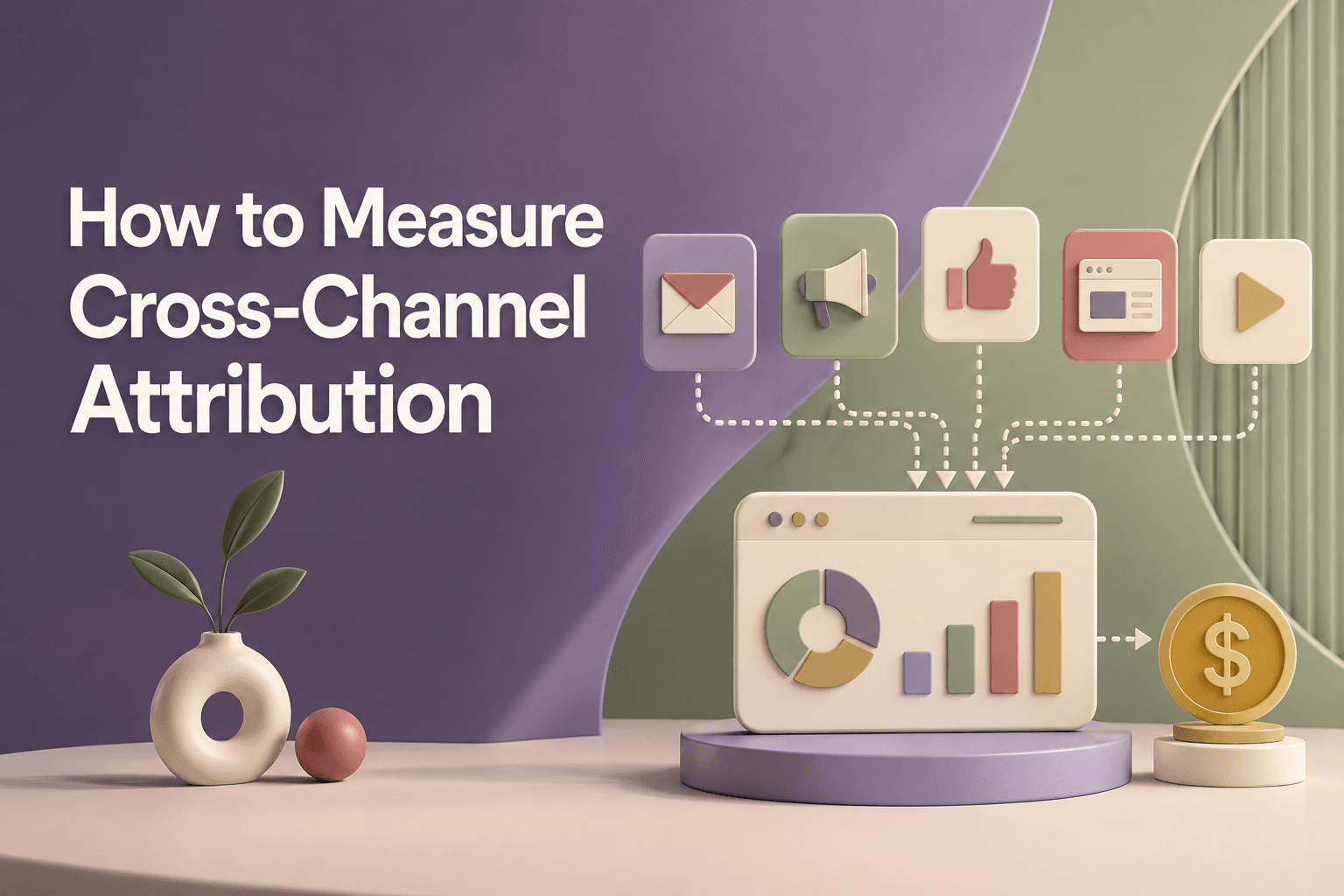
Your buyers don't exist in a vacuum. A typical B2B buyer might discover you via a LinkedIn ad on their phone during their morning commute, read a blog post on their work laptop later that day, and finally request a demo a week later after searching for your brand name on Google.
If you don't have cross-channel attribution in place, that single buyer looks like three separate, disconnected users.
The Core Channels
To truly understand your marketing performance, you must be able to track and attribute credit across all major channels:
- Paid: Search ads, social ads, and retargeting campaigns.
- Organic: SEO traffic from Google and other search engines.
- Social: Organic posts on LinkedIn, X, and Reddit.
- Email: Newsletters, drip campaigns, and sales outreach.
- Direct: Users typing your URL directly into their browser.
- Referral: Traffic from backlink sources, partners, and review sites.
Tracking Users Over Time
The secret to cross-channel attribution is identity resolution.
When a user visits your site anonymously, they are assigned a unique identifier via a first-party tracking pixel. As they return via different channels over the following weeks, their activity is logged against that single ID.
Once they finally identify themselves—by filling out a lead form or signing up—all of that historical, cross-channel data is stitched together into a single cohesive timeline. This allows you to see exactly which combination of Paid, Organic, and Email efforts ultimately led to the conversion, without double-counting your marketing efforts.
